


HOW TO AVOID BRUSH MARKS AND GROOVES IN THE PAINT SURFACE
Many ask how to get a smooth paint surface without brush marks.
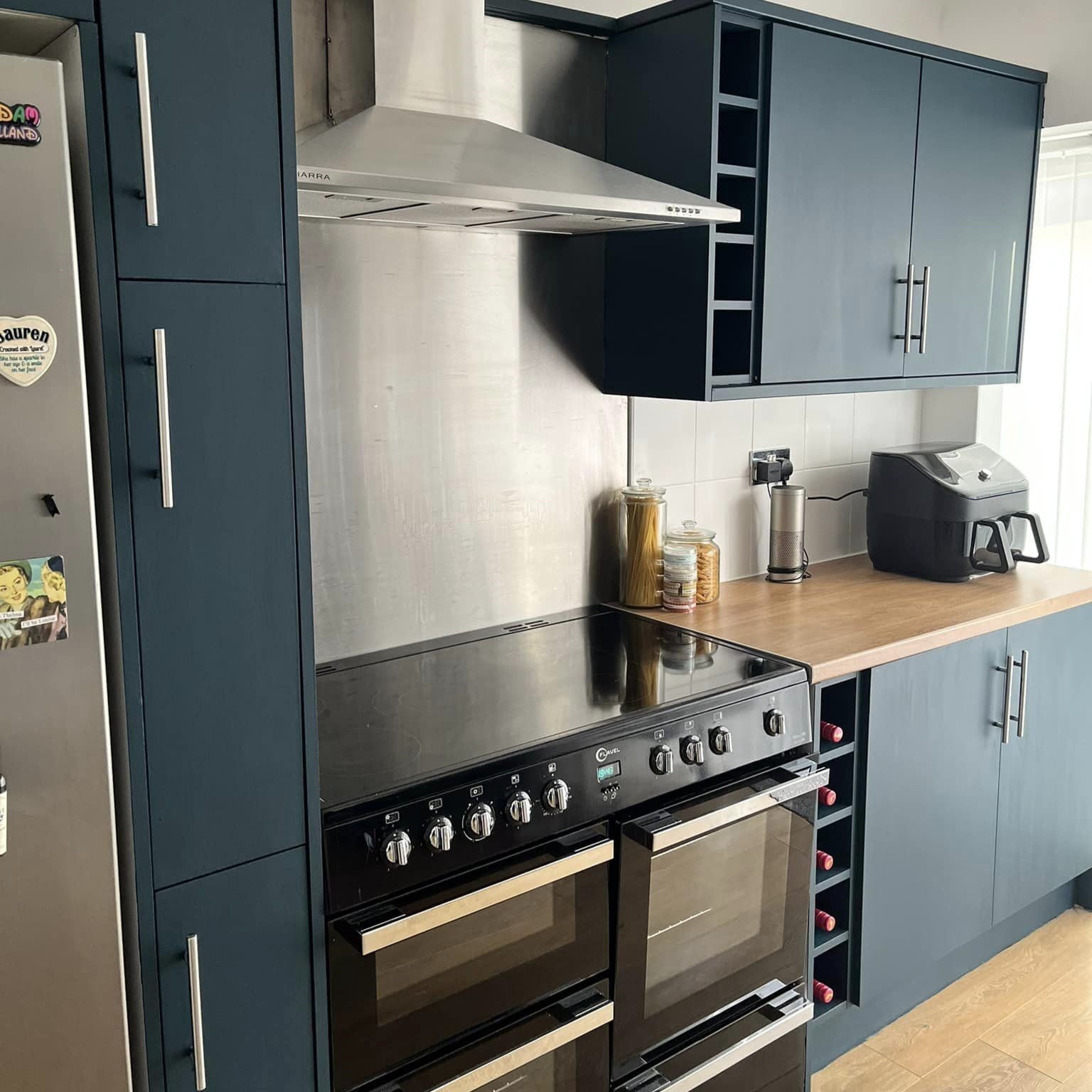
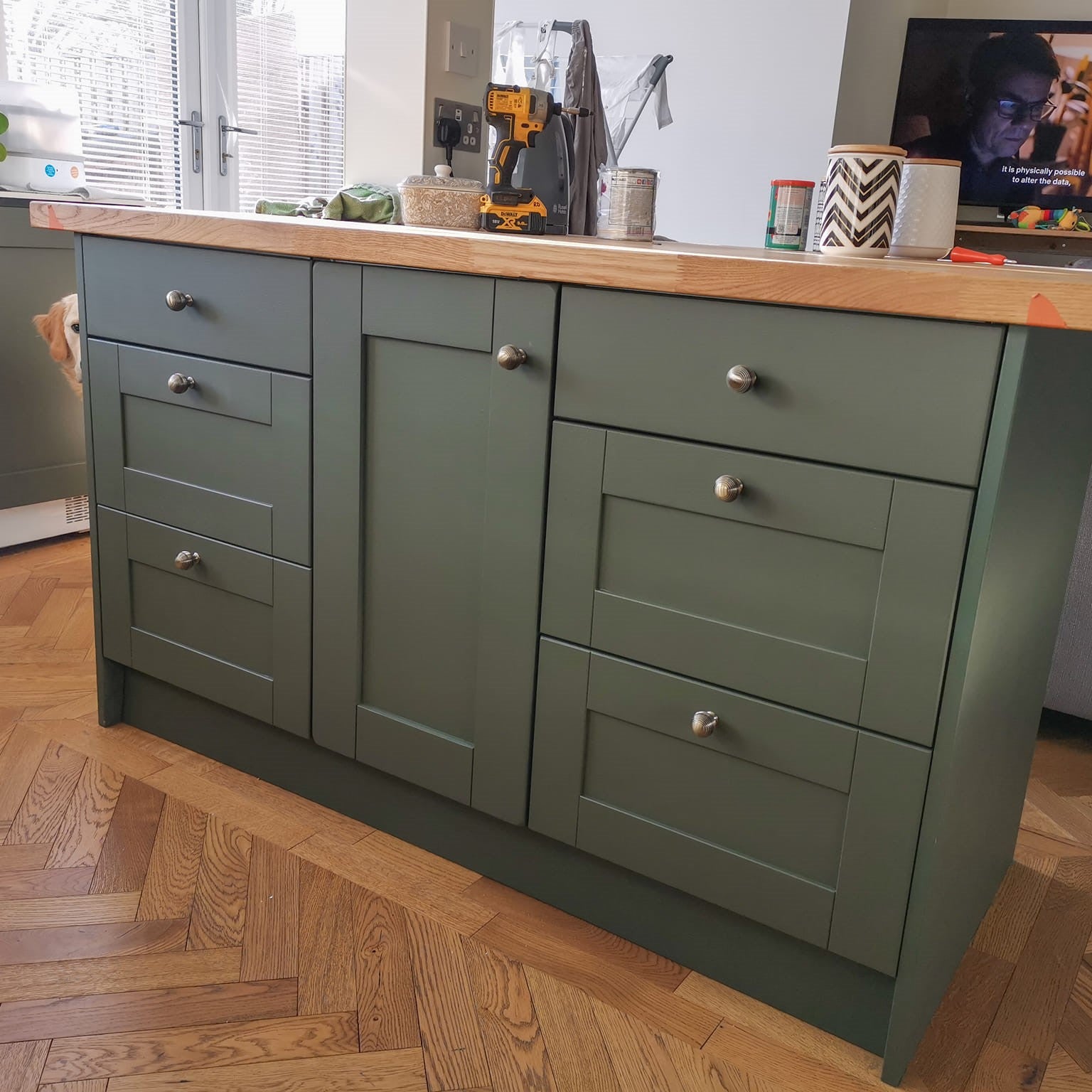
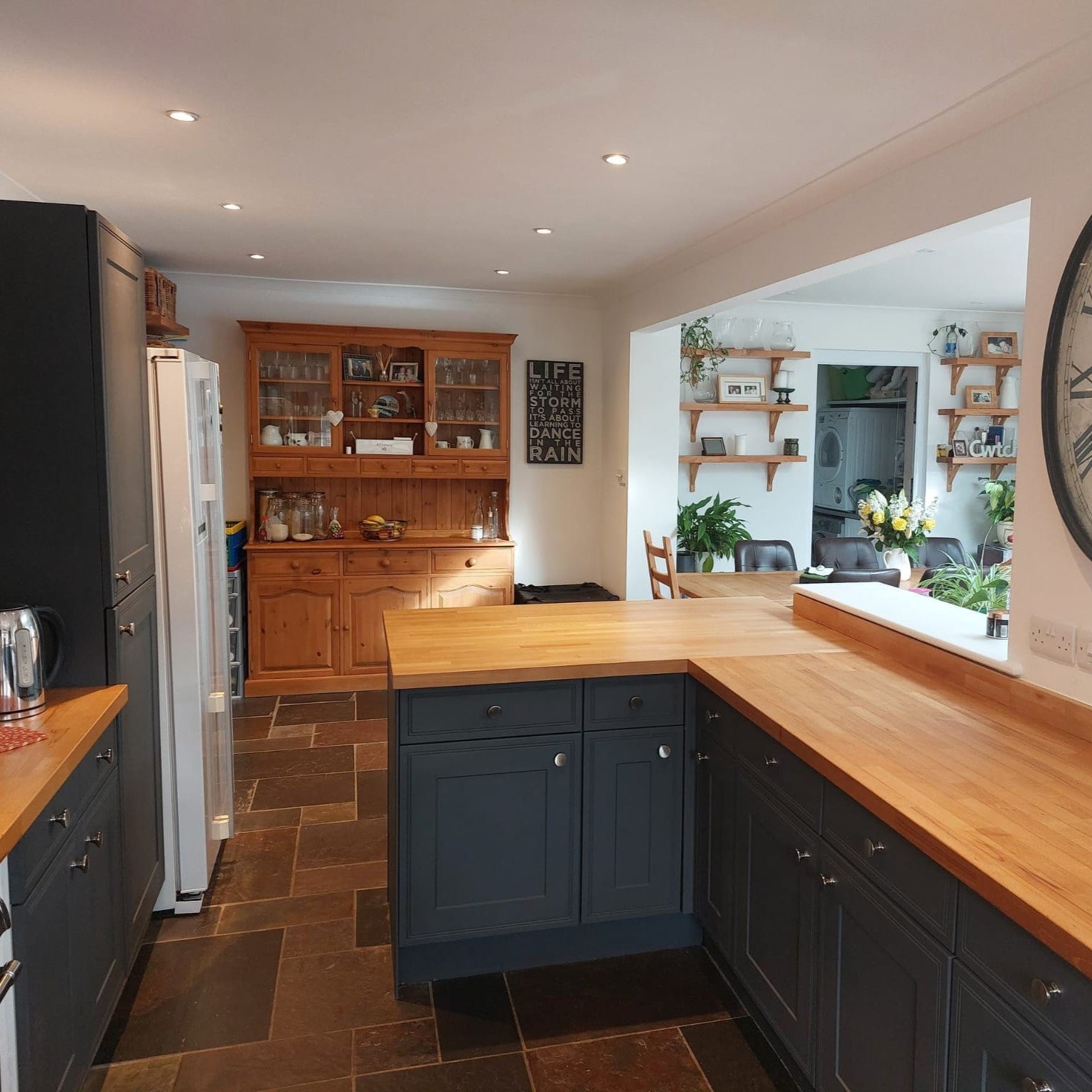
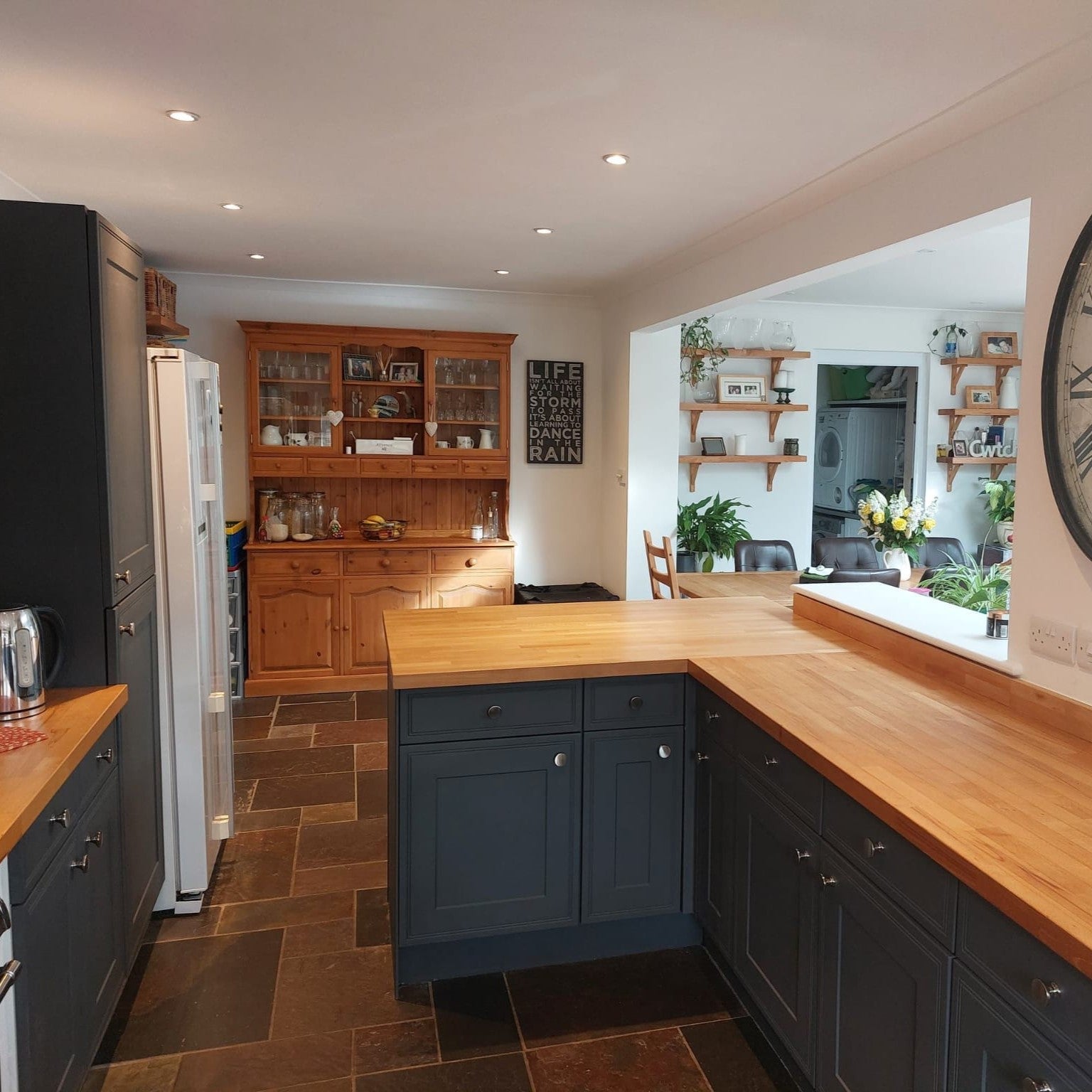
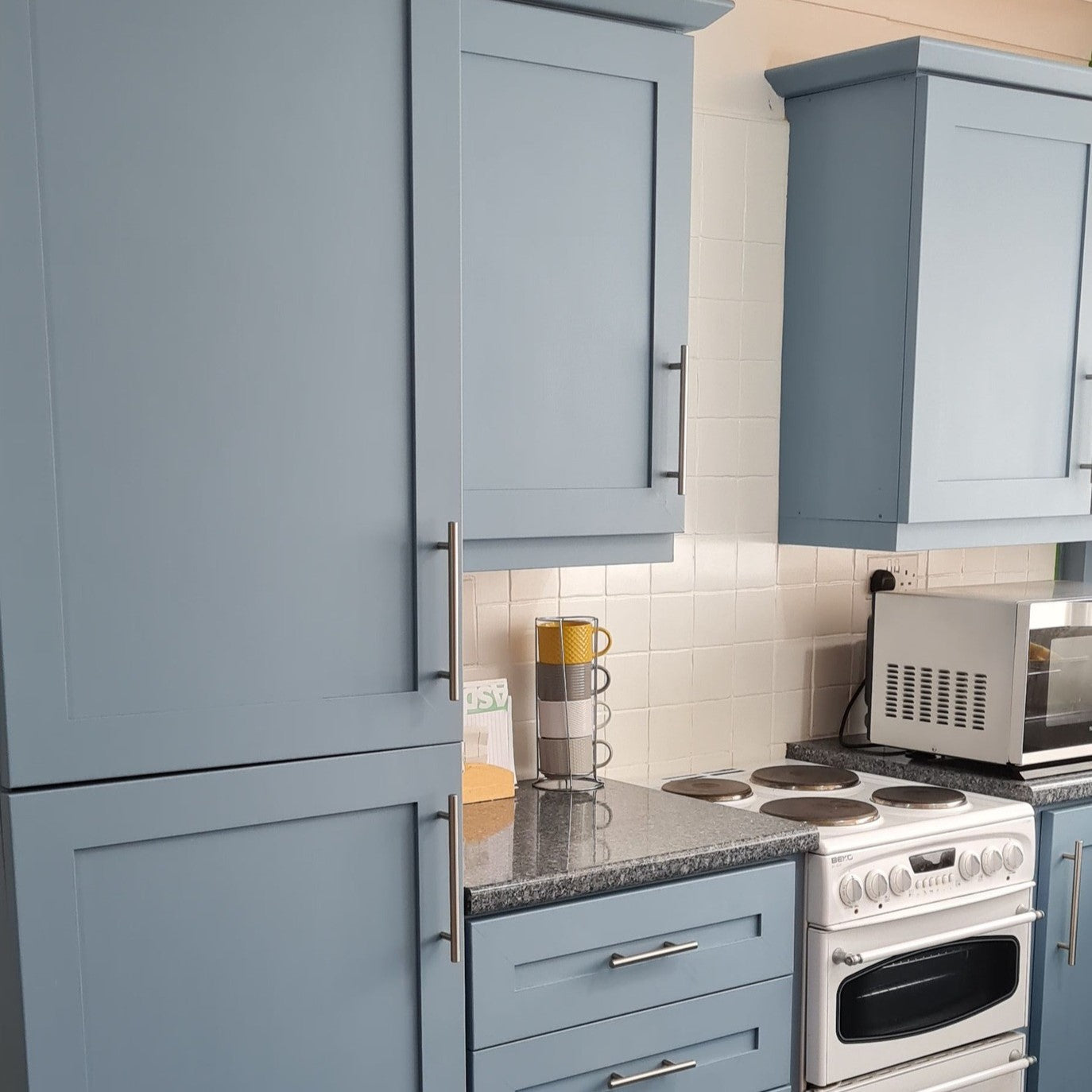
Clear grooves and streaks can be caused by many factors. Frenchic series paints have a completely new 'Self Levelling' feature, thanks to which the painted surface easily becomes smooth and beautiful.
Remember, however, that painting is done by a person, not a machine; small imperfections are part of handmade projects. Look at the final result as a whole and forgive yourself small mistakes.
Here we also list some tips and advice that may benefit you during your painting project:
ALWAYS TEST FIRST
Before a larger project, such as painting kitchen cabinets, do a test paint. Get a small 250ml test jar of paint and suitable tools: brush and/or roller. Testing helps you get familiar with the paint and chosen tools and you will see how the paint covers and dries. You will also see the paint color in place and confirm the accuracy of the shade.
CHOOSING A BRUSH
Use a clean and intact brush for your painting project. A high-quality brush is the best starting point.
Frenchic brushes are designed for perfect chalk paint pickup and we recommend you use them in your project. The brushes have excellent paint holding capacity. Oval brushes are handmade – wash them carefully with warm water before starting painting.
Oval brushes come in different sizes:
- The largest XL size is intended for wall painting or other large, flat surfaces.
- M-sized brush is good for large furniture, such as cabinets and panels. Does not fit in a small 250ml jar.
- S-sized brush is also suitable for the above, but is handy for painting dressers, chairs, and shelves. Suitable for painting from a 250ml jar.
- The smallest XS-sized brush is the best size for painting from a small 250ml jar, edge painting, and small furniture and surfaces. The XS size also fits well in a child's hand.

A washed and clean brush is flexible and damp, making it pleasant to paint with.
When washed and damp, a natural bristle brush does not absorb paint inside the bristles like a bone-dry natural bristle does, making cleaning easier.
Whatever tools you use, we hope these instructions help you achieve a smooth surface when painting. It is important that your painting tools are clean and intact.
PREPARATION IS IMPORTANT
If you want to achieve a smooth, even paint surface, the surface must be intact, even, clean, and smooth before painting.
If you paint over existing paint clumps, layers, holes, deep scratches, dried old paint drops, drips, etc., they will also show through the new paint layer.
If the surface to be painted has grooves, deep scratches, or holes, they must first be filled, for example by puttying, if a smooth and even finish is desired. If your piece has peeling and clumpy paint, the lumps must first be sanded smooth and the peeling paint removed.
BRUSH TECHNIQUE
Light hand
How you use the brush can affect your painting. Are you aiming for a smooth surface?
Hold the brush lightly, as if holding a pen, instead of gripping tightly and pressing on the handle. Apply the paint gently.
Paint in the same direction as the wood grain. Try not to push and brush the surface back and forth too forcefully—though this is also a painting technique, and in that case, brush marks will be very visible.
ENOUGH PAINT ON THE BRUSH
You don't need more than 3 (or at most 4) layers to complete the project.If there isn't enough paint on the brush, you will get streaks or see extra texture on the surface.
Too thick a paint layer can also dry unevenly.
Follow the recommended drying time for each layer. If you use Frenchic series self-leveling paints, leveling occurs during the drying time of the layer.
DO NOT OVERWORK THE SURFACE
Do not continue working on the same area with the brush while the paint is drying.
Overworking the paint easily lifts both the new and old layers, making the surface uneven.
If you notice a spot you'd like to fix or return to, wait an hour until the paint dries, then apply paint only to the spot that needs touching up.
Painting over fresh paint leads to overworking the paint surface, causing the layers to roll up and leaving marks on the surface.
DO NOT PAINT IN TOO HOT CONDITIONS
Paint small areas/sections at a time so the paint doesn't dry too quickly. Painting in too warm or even hot conditions (e.g., direct sunlight) is not recommended; it actually won't work because the paint dries too fast in the heat and may crack.
TOO DRY BRUSH - TOO LITTLE PAINT
If you notice your brush drying out too much, keep the brush tip moist, which helps keep it more flexible and gentle while painting.
Note that you do not add water into the paint, but only lightly wet the brush tip to keep the bristles moist if needed.
You can also try the spray bottle technique: spray lightly water from the bottle onto the area to be painted, add paint, and brush it in – you'll notice the paint flows more smoothly and results in an even surface.
Always use a new brush and roller after washing.
FIX MISTAKES BY SANDING, NOT BY PAINTING OVER
If something went wrong - it can be fixed: lightly sand the painted surface, clean off the dust, and repaint.
Some want to sand between paint layers to achieve a very smooth finish. Use very fine sandpaper or a handy, reusable and washable sanding sponge or pad for this.
PRACTICE MAKES PERFECT
Rushing and skipping steps usually leads to an uneven surface and a paint finish that doesn't last.
Allow time for your project, make various small test paintings, boldly try new techniques, and get to know your painting tools.
Enjoy your painting project!
TRY AND TEST FIRST - ESPECIALLY BEFORE A BIGGER PROJECT
First try on a practice piece which technique suits you, your tools, and the surface to be painted.
All Frenchic series paints have a new feature, "Self Levelling", which makes it easy to get a beautiful and even surface - leaving little or no brush marks.
TRY BOLDLY AND GET INSPIRED BY DO-IT-YOURSELF!
Whether you're a beginner or an ordinary home painter - or an experienced professional, you'll surely be amazed at how beautiful and even a surface you get with Frenchic series paints.

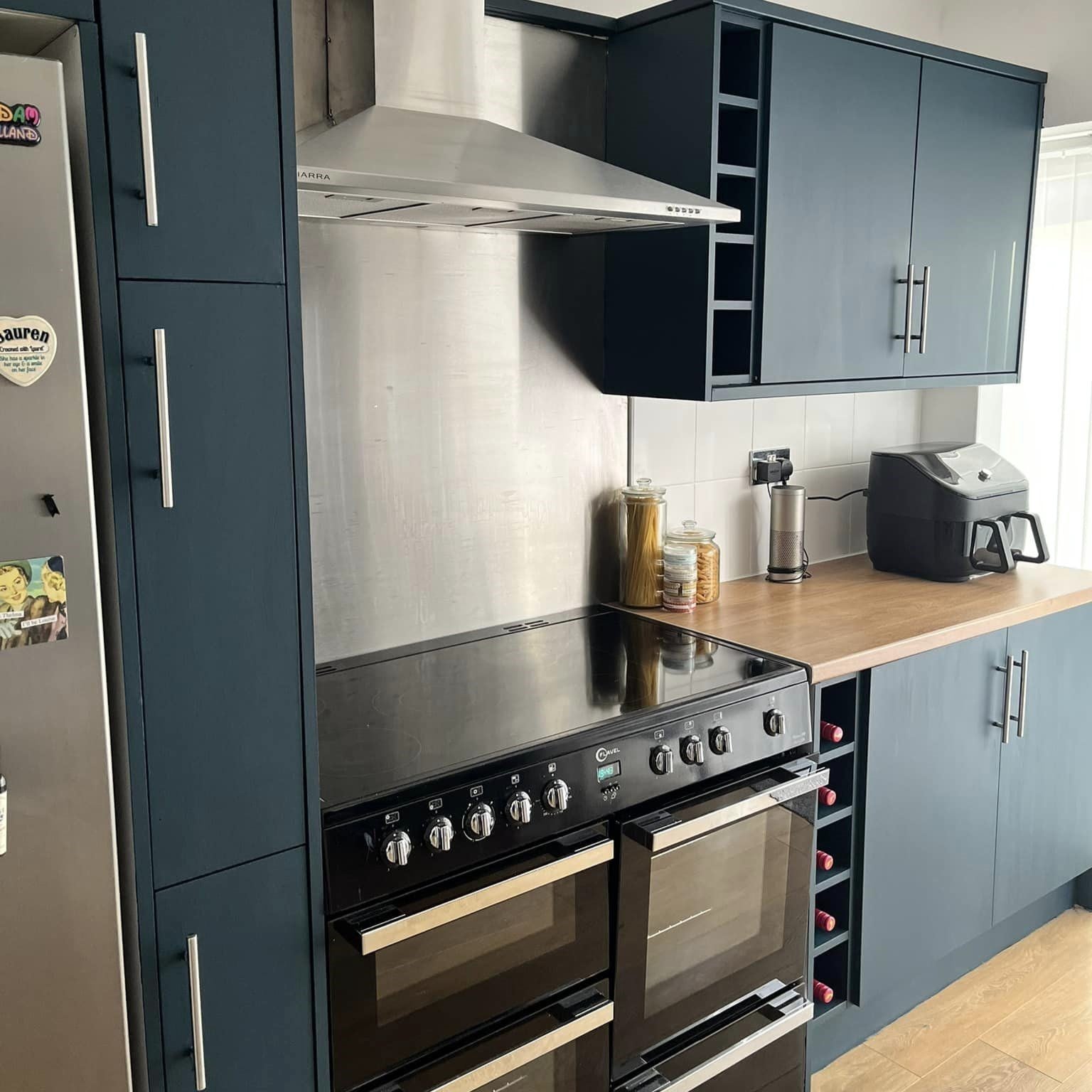
Matte black Blackjack, Al Fresco
If you're interested and want to see what others have painted, join our FB group.